The Untold Story of Tulips: 7 Facts to Enlighten and Entertain
Posted on 22/08/2025
The Untold Story of Tulips: 7 Facts to Enlighten and Entertain
When you think of tulips, you might picture the colorful fields of the Netherlands or a cheerful bouquet on your kitchen table. Yet, these iconic blooms boast an intriguing and complex past that few people know about. In this detailed article, we delve into the untold story of tulips with seven compelling facts designed to enlighten and entertain everyone, from gardening enthusiasts to curious readers. Let's embark on a vibrant journey through the history, culture, and marvels of the world's favorite spring flower.
1. Tulips Are Not Originally Dutch
Despite their strong association with Dutch culture, the original tulip species hail from Central Asia, particularly the region stretching across modern-day Kazakhstan, Uzbekistan, and northern Iran. The wild tulips flourished on windswept mountainsides, where they braved harsh winters and blazing summers. Over centuries, these tough survivors evolved into a dazzling array of forms and colors.
How Did Tulips Travel to Europe?
- Traders and explorers along the Silk Road noted the unique beauty of wild tulips.
- Tulip bulbs and seeds were brought to the Ottoman Empire (present-day Turkey), where tulips became a symbol of abundance and paradise.
- In the 16th century, Carolus Clusius, a botanist, introduced tulips to Western Europe after receiving bulbs from an ambassador of the Ottoman Empire. His experiments at the Leiden University Botanical Gardens ignited a floral revolution.
So, while the Dutch made tulips famous, their roots lie much further east.

2. Tulip Mania: The Craziest Chapter in Tulip History
Tulip Mania is perhaps the most enthralling and bizarre part of the tulip's untold story. In the early 17th century, the Netherlands experienced a period where the price of rare tulip bulbs soared to astronomical heights, creating what many call the world's first economic bubble.
What Happened During Tulip Mania?
- Tulip bulbs became a status symbol for the Dutch elite.
- Speculation grew, with individuals trading bulbs for houses, land, and livestock.
- At the peak, single bulbs of the rarest types sold for ten times the annual income of a skilled craftsman.
- Inevitably, the bubble burst in February 1637, leaving many investors in financial ruin.
Though exaggerated in some accounts, Tulip Mania remains a salient lesson in the history of speculative markets.
3. Tulips Speak in Secret Codes
Throughout history, flowers have been used to send secret messages. This is known as floriography or the language of flowers. Tulips occupy a unique place within this coded communication, especially during the Victorian era.
The Symbolism of Tulip Colors
- Red tulips symbolize deep love and passion.
- Yellow tulips convey cheerfulness and sunshine, but in older times, they represented unrequited love or hopelessness.
- White tulips are a sign of forgiveness, respect, or purity.
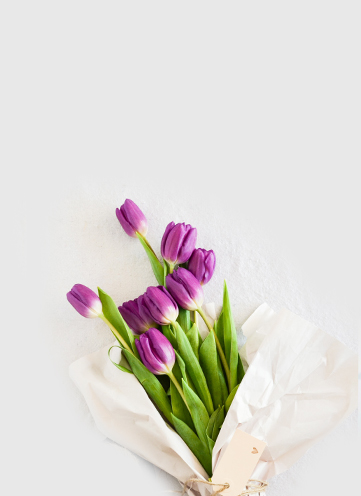
- Purple tulips signify royalty and nobility.
- Variegated tulips with streaks and spots once expressed admiration and a declaration that "you have captivating eyes."
When gifting tulips, knowing their meanings adds a thoughtful touch to your gesture.
4. Nature's Palette: How Tulips Get Their Colors
The vivid hues of tulips aren't just for show--they tell a story of genetics, mutation, and evolution. You may have noticed the mesmerizing stripes and flames on some tulip petals. These variations are more than artistic: they are clues to the tulip's scientific legacy.
The Role of Viruses in Tulip Patterns
In the 17th century, some of the most coveted tulips were those with dramatic, multi-colored patterns. For centuries, people wondered what gave rise to these stunning designs. Today, we know that a virus called the "tulip breaking virus" is responsible for this beauty.
- The virus interferes with the tulip's pigment production, creating streaks or 'breaks' of color.
- Ironically, while the patterns are beautiful, the virus weakens the plant.
- This discovery helped to improve modern tulip breeding practices, making vibrant, healthy blooms possible without the virus.
Modern hybridization now allows for a rainbow of brilliant and healthy tulip varieties, delighting gardeners and florists around the globe.
5. Tulips: Muse of Artists and Poets
Few flowers have inspired as much artistic expression as tulips. Their elegant shapes and vibrant colors made them favorite subjects among painters, poets, and designers across centuries.
Tulips in Famous Artworks
- Still-life paintings by Dutch Masters, such as Rachel Ruysch and Jan Davidszoon de Heem, often feature tulips as a symbol of beauty and fleeting fortune.
- Ottoman miniature artists celebrated tulips in illuminated manuscripts, especially during the so-called "Tulip Era" of the early 18th century, when the flower became a motif in textiles, ceramics, and architecture.
- Renowned poets like Hafiz and Goethe used tulips as metaphors for love's longing and joy.
Even today, tulips are ever-present in contemporary art, design, and fashion--a true testament to their timeless appeal.
6. Tulip Festivals: Global Celebrations of Spring
Every spring, tulip festivals burst into bloom in cities all over the planet. These events celebrate the enduring charm of tulips and often draw thousands of visitors, who marvel at fields painted in a dazzling spectrum of colors.
Top Tulip Festivals You Should Know
- Keukenhof (Netherlands): The world's most famous tulip garden, featuring over seven million bulbs in bloom.
- Canadian Tulip Festival (Ottawa): Originating as a token of friendship between Canada and the Netherlands, this festival is one of North America's largest displays of tulips.
- Skagit Valley Tulip Festival (Washington, USA): Miles of vibrant fields attract nature lovers from all around the world.
- Istanbul Tulip Festival (Turkey): Celebrating the flower's deep Ottoman roots, parks and gardens transform into seas of color every April.
These festivals offer more than just visual delight; they also feature parades, art shows, food stalls, and music, making them unforgettable cultural experiences.

7. Tulips: More Than Just a Pretty Face
While tulips are mostly celebrated for their beauty, they have practical uses beyond the garden. Recent scientific studies and historical records reveal that tulips have had surprising roles in medicine, economics, and even nutrition.
Tulips During Times of Crisis
- During World War II, famine forced people in the Netherlands to use alternative food sources. Desperate for sustenance, citizens developed ways to prepare and eat tulip bulbs. Although considered a last resort because of bitter taste and mild toxicity, this unusual food saved lives during the harsh "Hunger Winter."
- Researchers have studied extracts from tulip bulbs for potential antifungal and antibacterial properties. These compounds could one day play a role in human health.
- Bouquets of tulips have been shown to reduce stress and elevate mood in hospital patients, highlighting the flower's therapeutic benefits.
The modern-day legacy of tulips, therefore, extends far beyond gardens and vases.
The Enduring Allure of Tulips: More Than Meets the Eye
Tulips stand as a reminder of nature's beauty, human ingenuity, and our centuries-old fascination with flowers. From wild Asian origins to Dutch fields, from speculative bubbles to festival spectacles, the untold story of tulips is rich with drama, color, and meaning. With their language, science, and artistry, tulips have shaped cultures and inspired generations.
Whether you're a budding gardener, a history buff, or simply a lover of beautiful blooms, the next time you see a tulip, remember there's an extraordinary story behind its petals. These seven facts are just the beginning; the full chronicle of tulips is as layered and vibrant as the flower itself.
Discover More About Tulips
If you'd like to dig deeper into the fascinating world of tulips, check out local botanical gardens, historical records, or participate in one of the many global tulip festivals. The history, meaning, and science of tulip flowers promise both enlightenment and entertainment--no matter where your curiosity leads you. Share these little-known facts about tulips with your friends and help keep the story alive!
Latest Posts
Planning an Event at [NEIGHBORHOOD] Park: Top Floral Decoration Tips
How to Choose Wedding Flowers at [LANDMARK] Venues in [AREA]
The Untold Story of Tulips: 7 Facts to Enlighten and Entertain